
Finding and sustaining success when your office is anywhere requires a deliberate set of habits. Remote veterans, productivity researchers, and employee-engagement studies point to ten behaviors that consistently separate thriving telecommuters from the merely surviving. Master them and you move from logging hours at home to unlocking a freedom-filled career.
1. They Design a Dedicated Workspace
A purposeful environment cues the brain for work and minimizes distraction. Choose a spot with a door or visual divider, invest in ergonomic furniture and proper lighting, and lock down Wi-Fi security with WPA-2 encryption. Dual monitors alone can boost output by 42%.

Make the environment cue the brain for work
-
Select a consistent location—avoid the couch or bed.
-
Upgrade to an adjustable chair, external keyboard, and eye-level screens.
-
Add plants and natural light to improve mood and reduce eyestrain.
2. They Craft a Morning “Launch” Ritual
A short, repeatable sequence—journaling, stretching, and a brewed coffee—signals the shift from home mode to pro mode. Over time the ritual becomes an automation cue that spares willpower for harder tasks.

Signal the shift from home mode to pro mode
-
Keep the routine under 15 minutes.
-
Include at least one physical element such as light exercise.
-
Start at the same time daily to anchor your body clock.
What is a Side Hustle What is Side Hustle??
3. They Plan the Day Before Diving In
Successful remotes spend 10 minutes creating a realistic agenda before opening email. Time-blocking 60–90-minute deep-work chunks slashes context switching and reactive firefighting.
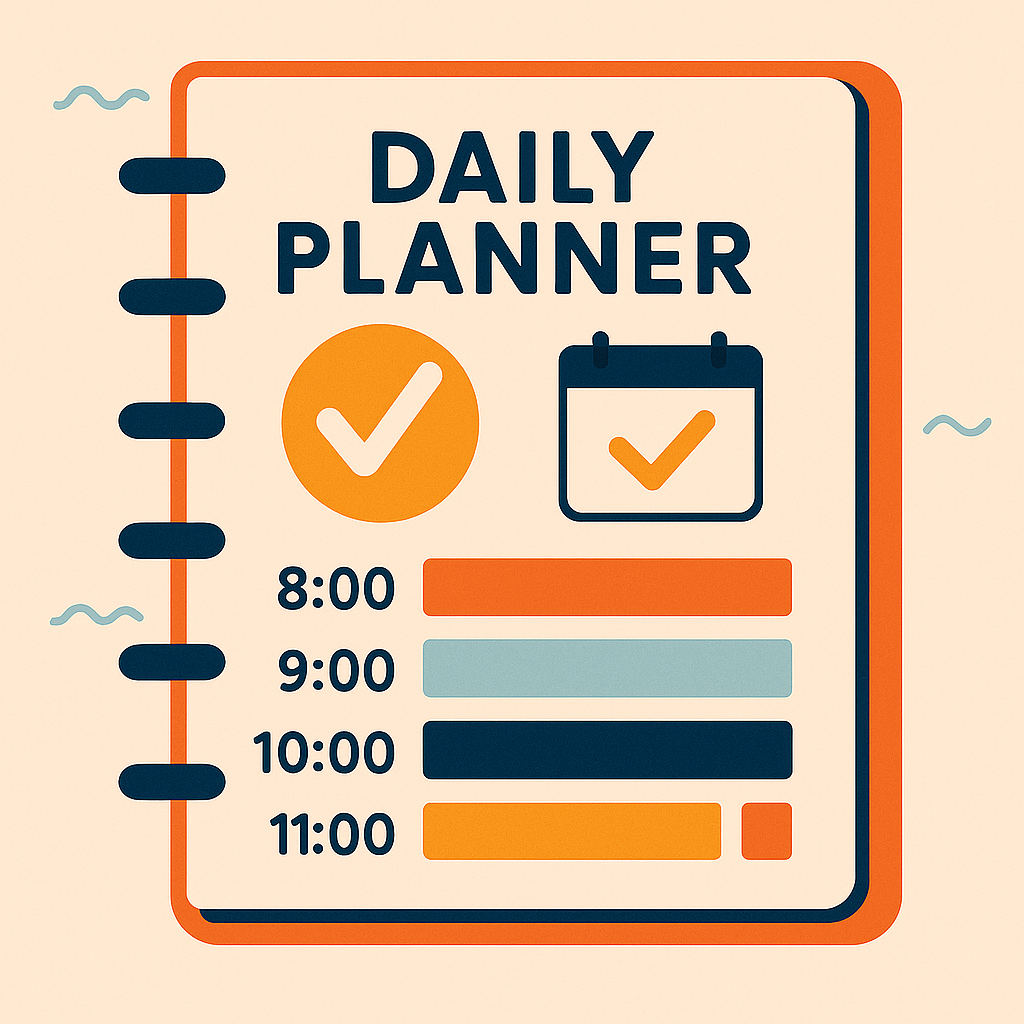
Daily agendas beat reactive firefighting
-
Rank tasks with the Ivy Lee six-task rule.
-
Post your plan in Slack to foster gentle accountability.
-
Review progress mid-afternoon and re-prioritize.
4. They Over-Communicate
Distance demands explicitness. High performers share status updates, blockers, and availability without being asked, keeping teammates aligned and reducing meetings.

Distance demands explicitness
-
Post end-of-day summaries in project channels.
-
Use clear Slack statuses (“heads-down until 3 pm”).
-
Prefer asynchronous tools like Loom for walkthroughs.
5. They Draw Hard Boundaries
Remote success hinges on protecting both focus and personal life. Define office hours publicly and perform a shutdown ritual to end the day.

Protect both focus and personal life
-
Use separate phone/email accounts for work.
-
Close the laptop and tidy your desk at quitting time.
-
Communicate unavailability just as clearly as availability.
6. They Take Intentional Micro-Breaks
Pomodoro-style 5-minute breaks every 25 minutes refresh cognition and reduce burnout. Standing, stretching, and hydrating are small acts that compound.

Short pauses refresh cognition
-
Schedule micro-breaks on your calendar.
-
Change posture or room to reset visual focus.
-
Use reminders like smartwatch vibrations.
7. They Practice Outcome-Based Self-Management
Remote standouts measure results, not minutes. Weekly OKRs or “done lists” create transparency that buys autonomy and trust.

Measure results, not minutes
-
Set two to three weekly outcomes tied to company goals.
-
Review every Friday and adjust tasks for the next sprint.
-
Share metrics dashboards openly.
8. They Keep Learning in Micro-Doses
Continuous upskilling guards against stagnation. Thirty minutes of daily micro-learning keeps skills sharp and curiosity alive.

Continuous upskilling guards against stagnation
-
Enroll in guided projects or short tutorials.
-
Dedicate a calendar block labeled “Learning.”
-
Apply new knowledge immediately in side projects.
9. They Cultivate Social Connection
Virtual coffee chats, team retreats, and local coworking days combat isolation and sustain morale. Aim for at least one non-work interaction daily.

Combat isolation to maintain morale
-
Use random-pairing bots for spontaneous chats.
-
Host themed virtual lunches.
-
Organize quarterly in-person meetups when possible.
10. They Audit and Iterate Their Systems
Remote excellence is a living experiment. Weekly retrospectives identify energy drains and wins, prompting tweaks to routines, tools, and hours.

Remote excellence is a living experiment
-
Ask: What energized me? What drained me?
-
Adjust one variable at a time—meeting cadence, work window, tool stack.
-
Revisit your setup monthly to ensure alignment with goals.
Quick Reference Table
| Habit | Key Benefit | Typical Tactic |
|---|---|---|
| Dedicated workspace | +42% productivity boost | Dual monitors, ergonomic chair |
| Morning ritual | Easier task initiation | Journaling & coffee |
| Daily planning | Fewer context switches | Ivy Lee six-task rule |
| Over-communication | Fewer blockers | End-of-day Slack summary |
| Clear boundaries | Better work-life balance | Shutdown ritual |
| Micro-breaks | Sustained focus | Pomodoro technique |
| Outcome tracking | Greater autonomy | Weekly OKRs |
| Continuous learning | Future-proof skills | 30-min guided project |
| Social connection | Stronger morale | Virtual coffee chat |
| System iteration | Long-term adaptability | Weekly retro |
Final Thoughts
Remote work rewards those who design their days with intent. Adopt even three of these habits this month—workspace optimization, daily time-blocking, and over-communication—and expect sharper focus, stronger trust with teammates, and a healthier life outside the laptop. Add the remaining seven over time, and you’ll join the ranks of professionals who treat location independence not as a perk but as a platform for peak performance.
Reference Articl : Remote Work